22 karat or 18 karat gold: which should you choose?
Purity, strength, colour and value: what the numbers really mean for your jewellery.
Indian families have trusted 22 karat gold for generations, and for good reason. But much of the finest jewellery in the world is made in 18 karat. The right choice depends on what you are making.
What does karat mean?
Karat measures how much of the metal is pure gold, out of 24 parts. 24 karat is pure gold, marked 999. 22 karat is 91.6 percent gold, marked 916. 18 karat is 75 percent gold, marked 750. 14 karat is 58.5 percent, marked 585. The rest is made up of other metals such as silver, copper or zinc, which add strength and change the colour.
Why is 22 karat so popular in India?
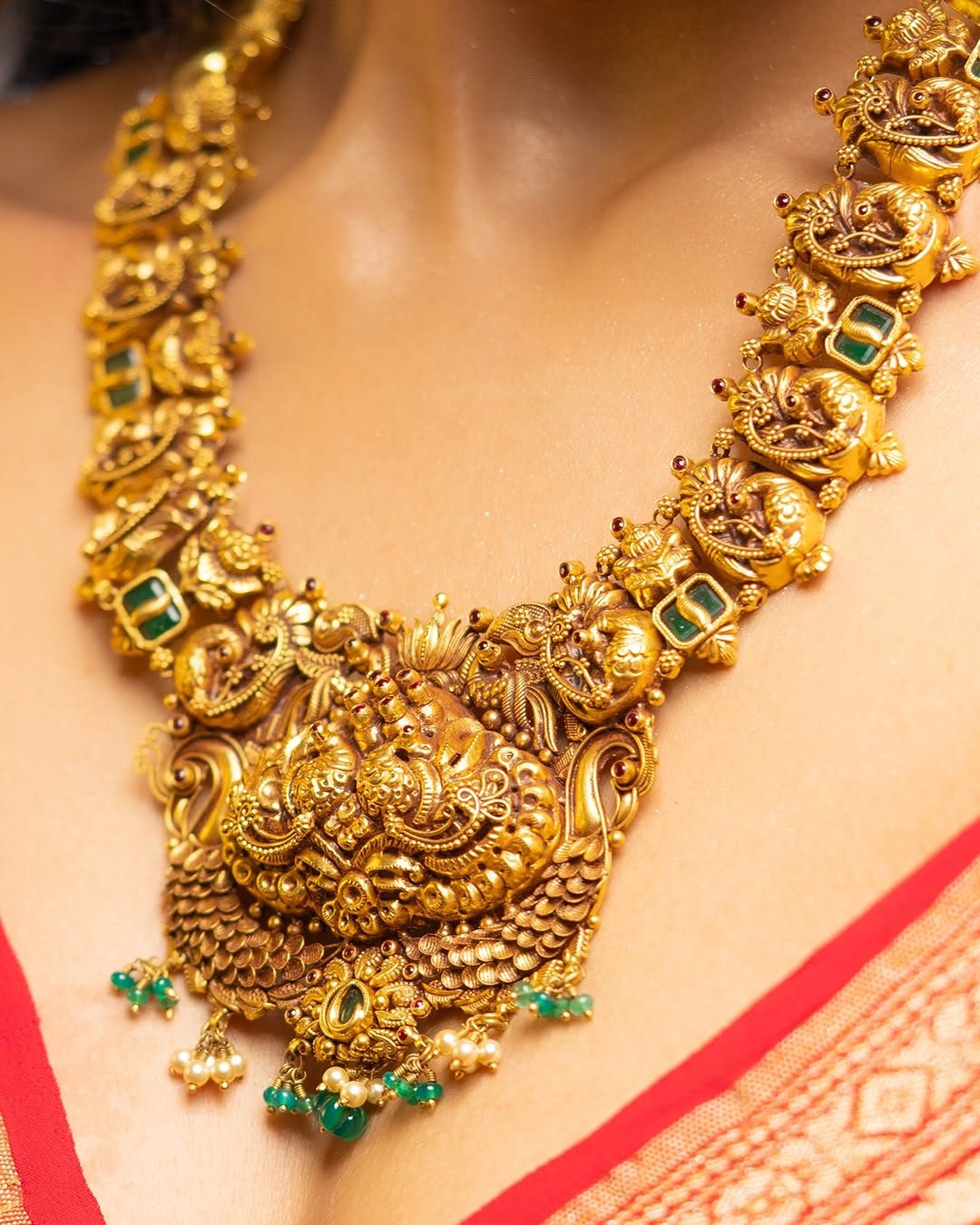
Because it is almost pure, 22 karat gold has a deep, warm yellow colour and holds most of its value in the metal itself. It is ideal for traditional pieces: temple jewellery, bangles, kundan and polki work, and anything you think of partly as savings.
Why are diamonds usually set in 18 karat?
Purer gold is softer. In 22 karat, the fine claws that hold a diamond can bend over time and a stone can loosen. 18 karat is harder and keeps its shape, so it holds stones securely and allows finer, lighter settings. It can also be made in white and rose gold. Almost all modern diamond and coloured-stone jewellery is made in 18 karat for this reason.
Which holds more value?
Weight for weight, 22 karat contains more gold, so its metal value is higher. But value is not only metal. A well-made 18 karat diamond piece holds its worth through its stones and its craftsmanship. Choose the karat that suits the piece, not only the price.
Is 24 karat good for jewellery?
Rarely. Pure gold is too soft for most jewellery and scratches and bends easily. It is better suited to coins and bars.
Our rule of thumb: 22 karat for traditional gold, polki and kundan; 18 karat for diamonds, emeralds and everyday luxury.
Questions about a stone or a piece? Message us on WhatsApp or visit the store on Shakespeare Sarani.